| |
| Tuesday, 20 October 2026 |
| SHAFTS OF LIGHT: The Phenomenon of Mining Art |
| Robert McManners |
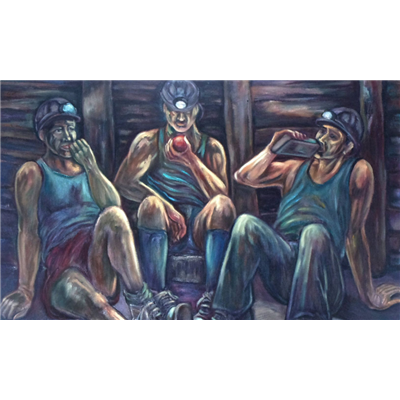 |
Why did miners paint the mines? For almost 200 years coal was to power the industrialisation of Britain – the first nation to experience its ‘industrial revolution’. Coalmining changed landscapes, working practices, and the demography of towns and spawned the many other heavy industries that changed society for ever. The mines were a filthy cacophony of dangerous claustrophobic tunnels swathed in a blinding darkness, yet, from these desperate conditions emerged many men who found a beauty and a majesty both underground and in the pit yard that they wanted to express in art. We find no similar bodies of experiential work from the other heavy industries, such steel making or ship-building, which surely must have been more persuasive to the artist’s eye than the arcane underworld of the miner. But the coalminer had more to tell. This is experiential art - what it felt like to be a miner. Who better to tell the tale? Nor did the story just end at the pit gates. Mining artists take us to their homes and their communities and totally absorb us in their whole way of life. Some moved on to become professional artists but none forgot their main inspiration and have left us with a uniquely powerful first hand record of a mighty, all consuming industry - now consigned to history. |
|
| Tuesday, 17 November 2026 |
| THE 12 PLANTS OF CHRISTMAS – The natural history, botany and folklore of the plants that surround us at Christmas |
| Timothy Walker |
 |
Apart from the pear tree in which sat the partridge, there are no plants in the 12 days of Christmas according to the folk song. Sadly, even that reference is erroneous, because partridges are ground dwelling birds. And yet at Christmas we are surrounded by plants. This talk puts the record straight and rewrites the zoocentric song replacing partridges with poinsettias, and maids with mistletoe. |
|
| Tuesday, 19 January 2027 |
| THE DRAGON'S CLAW - A mystery |
| Lars Tharp |
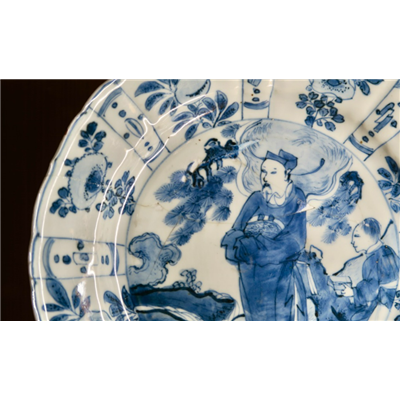 |
A talk enabling a Westerner to overcome the wall of Chinese imagery. In Chinese art things are not just what they appear to be. The punning potential of the Chinese language allows an outward form – of a vase; a bat; or a fish - to carry automatic undercurrents of layered meaning: ‘Crouching tiger, hidden dragon’. My talk reveals several such double entendres - essential if a westerner is even to glimpse the depths perceived by a native Chinese-speaker. |
|
| Tuesday, 02 February 2027 |
| POP GOES THE ARTIST: FROM Warhol to Dylan |
| Suzanne Fagence Cooper |
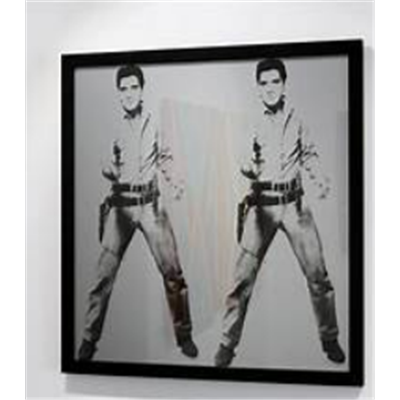 |
In the sweltering heat of a New York summer, Andy Warhol invited Bob Dylan to his Factory sit for a screen test. It was 1965. After enduring his silent, slowmotion portrait, Dylan became intrigued by Warhol’s monumental silver screenprint of Elvis dressed as a cowboy. He took it home as a souvenir, strapped to the top of a station-wagon. (It is now one of the highlights of the collection in MOMA, New York). This lecture examines the world of Pop Art, through the eyes of these controversial artists. |
|
| Tuesday, 16 February 2027 |
| THE SHOCK OF THE OLD: Discovering Britain's Ice Age cave art |
| Paul Bahn |
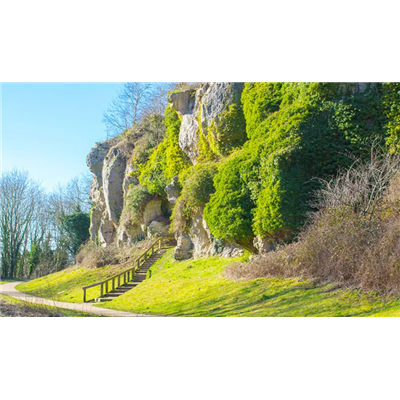 |
An account of the search for, and discovery of, Britain’s first Ice Age cave art at Creswell Crags (Nottinghamshire/Derbyshire) in 2003 - how my 30-year dream was fulfilled in a single morning! The engravings and bas-reliefs discovered have been dated to around 13,000 years ago, and are thus by far the oldest known artistic depictions in the country. |
|
| Tuesday, 16 March 2027 |
| THE LEGENDARY LEE MILLER |
| Antony Penrose |
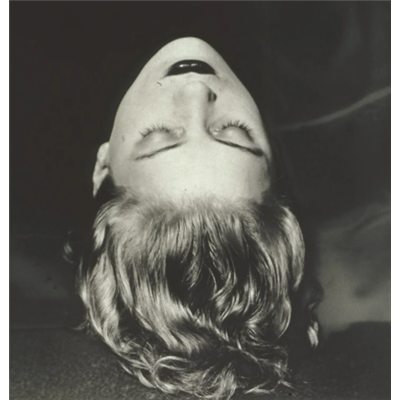 |
The life of Lee Miller, told with reference to those with whom she exchanged creative inspiration – Man Ray, Roland Penrose, Pablo Picasso, David E. Scherman, her father Theodore Miller and her son Antony Penrose. A definitive view by her son and biographer this presentation has been acclaimed for its ability to embrace many different levels of the history of art and photography, social commentary and emotional connection with the subject. • Contains some war time images which may be disturbing. |
|
| Tuesday, 20 April 2027 |
| THE TWO GUSTAVS: Mahler and Klimt |
| Gavin Plumley |
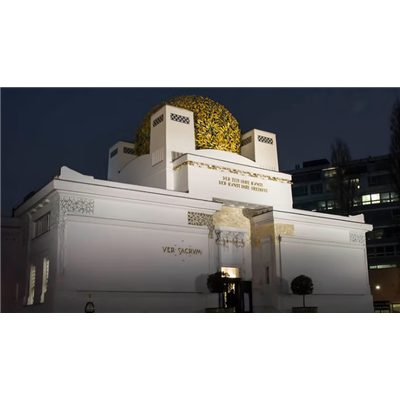 |
Gustav Klimt and his colleagues broke away from the imperially endorsed art institutions in Vienna in 1897 and founded the Secession. That was the same year that Gustav Mahler arrived to take charge of the Opera House in the city. Comparing these two totemic fin de siècle talents, this lecture places Klimt and Mahler in context, asking what fundamentally links and, indeed, divides them. |
|
| Tuesday, 18 May 2027 |
| THE ART OF THE STEAL: Nazi looting during World War II |
| Shauna Isaac |
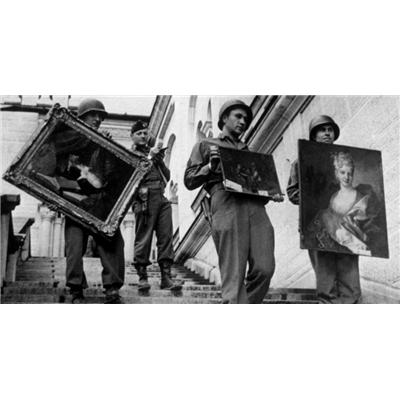 |
The Nazis looted over 20% of Western Art during World War II, confiscating art from Jewish families and emptying museums throughout Europe. This lecture will provide an overview of Nazi looting by setting the scene in Nazi Germany, discussing Hitler’s obsession with art and how the Monuments Men recovered art after the war. Several landmark cases will be discussed in detail, including Gustav Klimt’s celebrated Portrait of Adele Bloch Bauer and the stash of over 1200 artworks found in possession of the son of a notorious Nazi dealer. |
|
| Tuesday, 15 June 2027 |
| CARAVAGGIO: Murderer or Genius |
|
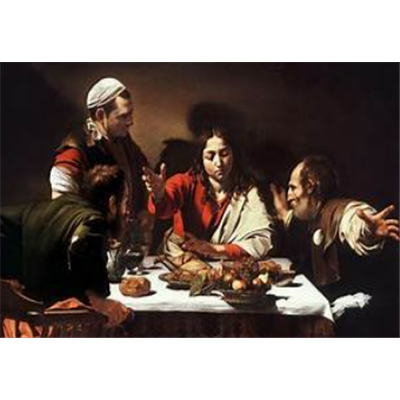 |
Caravaggio’s paintings inspired many artists during his lifetime and would go on to influence many more, from Orazio Gentileschi to Peter Paul Rubens, Gerard van Honthorst and Rembrandt. Each absorbed a different aspect of his work. His style spread across Europe and gave rise to the international movement known as ‘Caravaggism’. Yet for many, Michelangelo Merisi da Caravaggio is famed as much for his art as for his criminal record. Was it the violence of his times or his own violent spirit that inspired the dramatic lighting and intense naturalism of his work? This lecture follows the dramatic incidents of the artist’s life and looks at why and how his influence spread so far. |
|